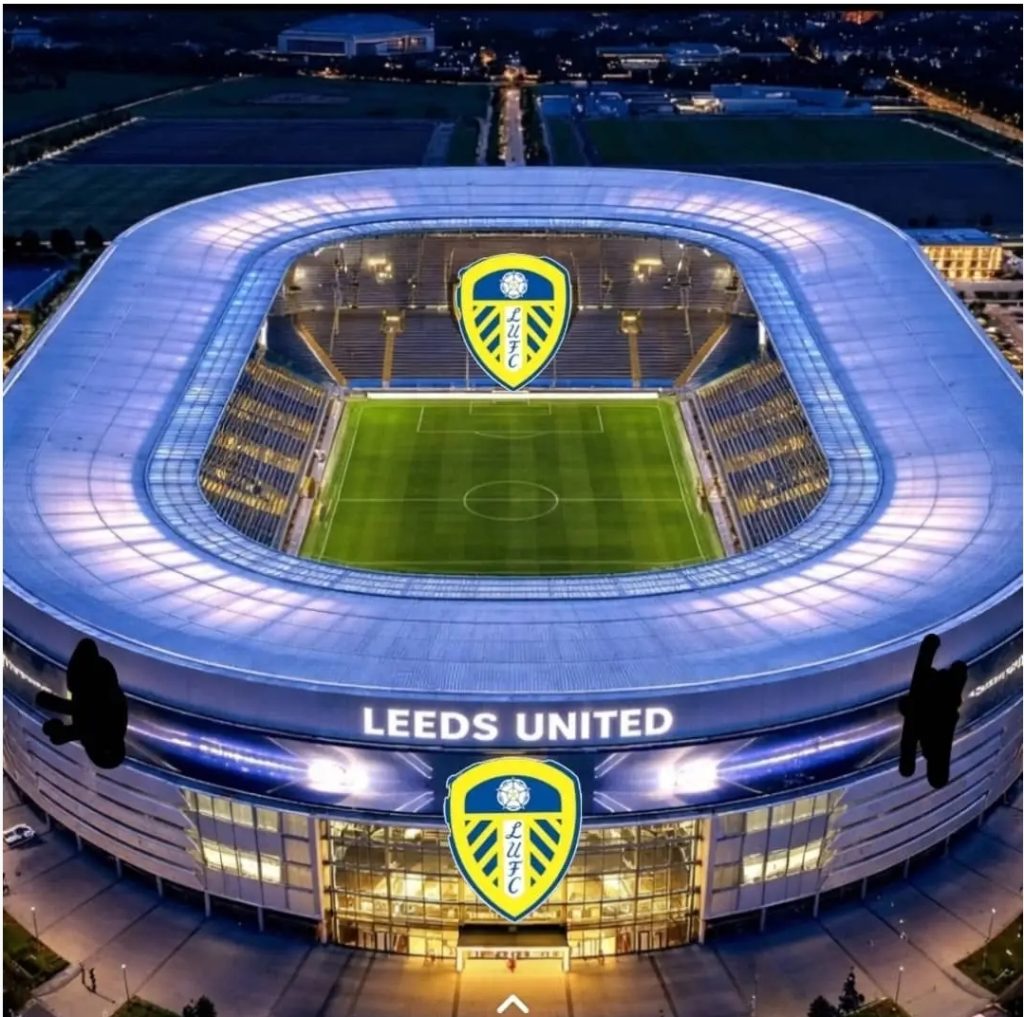
🔥 MEGA BOMB at Leeds United: A £multi‑Million Plan that Could Redefine the Club and the City
In one of the most ambitious moves in its modern history, Leeds United Football Club — the iconic English club steeped in over a century of tradition — is spearheading a sweeping infrastructure project that has sent shockwaves across football and urban regeneration circles alike. What began as a long‑rumoured expansion of the club’s historic home, Elland Road, has evolved into a far broader vision: transforming not just a stadium but an entire district of Leeds.
At the heart of this plan is the dramatic redevelopment of Elland Road itself. The club has secured planning permission to expand the stadium from its current capacity of just under 38,000 to around 53,000 seats, instantly lifting it into the ranks of England’s largest grounds. This increase will not only satisfy massive demand — with tens of thousands on the club’s season ticket waiting list — but also unlock new revenue streams, including upgraded hospitality, world‑class facilities, and the potential to host major international fixtures under UEFA Category 4 standards.
Although widely reported cost figures vary — with stadium expansions often cited around £150 million — optimism around the total investment envelope is soaring. Rumours in the football and investment communities suggest that the club’s owners and partners are planning infrastructure and regeneration works with a combined value running into the hundreds of millions, with some claims even placing the vision beyond the $450 million mark that’s been circulating in media narratives. While precise accounting is still evolving, what’s clear is that this project transcends a simple stadium renovation: it’s a catalyst for urban transformation.
Indeed, Leeds City Council and private sector partners have framed the Elland Road redevelopment as the linchpin of a wider regeneration strategy for South Leeds — one that could unlock billions of pounds in private investment and bring new homes, commercial space, transport improvements, and community facilities to a neglected part of the city. Plans for the 30‑acre area around the stadium include mixed‑use neighbourhoods, housing projects, and public realm enhancements designed to knit the stadium district into the fabric of Leeds’ future growth.
Beyond the economic projections, the social implications are striking. Proponents argue the investment will create thousands of jobs, boost local businesses, and breath new life into the city’s cultural and sporting landscape. Supporters see the project as a way to cement Leeds’ status as a global sporting destination and a hub for events year‑round — not just on matchdays.
Of course, any plan of this scale comes with its challenges. Local residents have expressed concerns about transport disruption, congestion, and how development will affect the community’s character. The club and council have engaged extensively with stakeholders, promising traffic mitigation measures, enhanced public transport plans, and community legacy programmes alongside the build.
In the end, whether the final bill lands at £150 million, £450 million, or even beyond — the ongoing transformation at Leeds United looks set to be a defining chapter not just for the football club, but for Leeds the city. If successful, it could serve as a model for how sport can drive regeneration and bridge heritage with future ambition.